Skip to main content
Know Your Pet
Menu
Cat
About Cat
Feeding Tip(Cat)
Cat Essentiala
Dog
About Dog
Feeding Tip(Dog)
Dog Essentiala
Pet Supplies
Adoption & Rescue
Healthy & Behavior
Common Diseases in Cats
Common Diseases in Dogs
You know your dog?
We know how to feed them.
Feeding tips
Human food should only be given occasionally as treats and must not replace a dog’s regular nutritional diet.
Stick to high-quality dog food as the main source of nutrition — it’s the safest for your dog’s health.
Make dietary transitions gradually to prevent diarrhea or vomiting.
If you’re unsure whether a food is safe, it’s better not to feed it to avoid the risk of poisoning.
Key Nutrients for Dogs
Protein
Helps muscle development and repair
Fat
Provides energy and supports healthy skin and coat
Vitamins & Minerals
Maintain immune function, bone strength, and metabolic balance
Carbohydrates
Aid in energy supply and digestive health
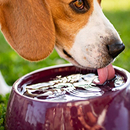
Water
Dogs need adequate water daily to prevent kidney or urinary tract issues
Safe Foods for Dogs
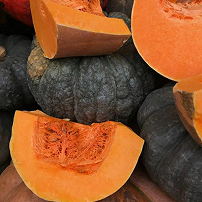
Pumpkin
Rich in vitamins, prevent anemia
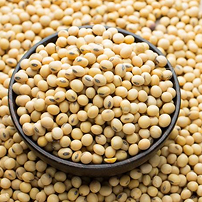
Soybeans
Rich in plant protein
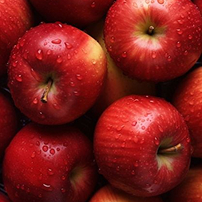
Apple
Rich in dietary fiber, improve constipation
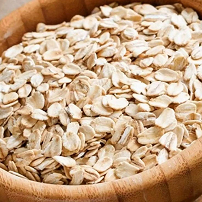
Oatmeal
Improve constipation
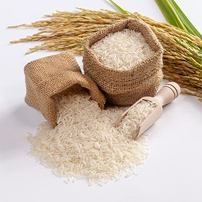
Rice
Hypoallergenic Foods
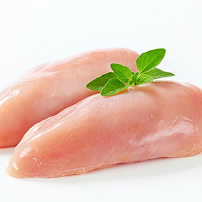
Chicken
Add extra protein to support your dog’s muscle and energy needs.
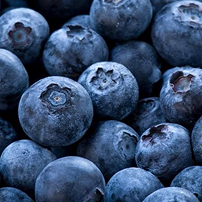
Blueberry
These small fruits are rich in antioxidants, fiber, and phytochemicals.
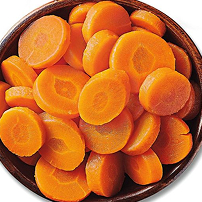
Carrot
Rich in beta-carotene, cleanses the stomach, intestines and liver
Unsafe Foods for Dogs
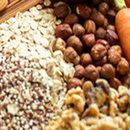
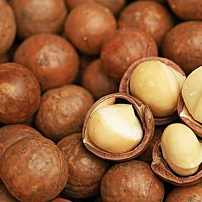
Macadamia nut
Nuts aren’t safe for dogs they can cause choking or digestion problems.
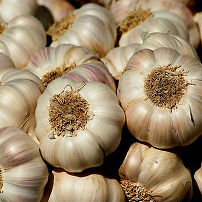
Garlic
Garlic is toxic to dogs and can damage red blood cells, causing anemia.
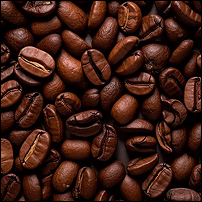
Coffee
Dogs are sensitive to caffeine; small amounts may cause harm.
Alcohol
Dogs can't process alcohol well; clean water is best for them.
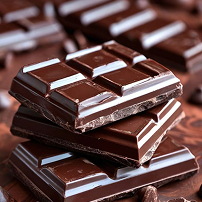
Chocolate
Chocolate is toxic to dogs and can cause serious health issues.
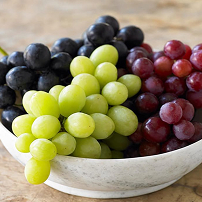
Grape
Grapes and raisins are toxic to dogs and can cause kidney failure.
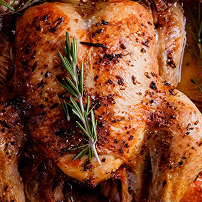
Cooked chicken
High-fat foods can upset dogs' stomachs and cause pancreatitis.
Next
Next