Know Your Pet

Common Diseases in Dogs

Canine Distemper Symptoms by Stage:

Hydration support

Encourage drinking water or offer electrolyte solution (pet-safe). If not drinking, slowly give fluids using a syringe (avoid choking).

Monitor symptoms and temperature

Normal dog temperature is around 38.3–39.2°C. A fever above 39.5°C is concerning. Watch for seizures or neurological signs.

Isolate the dog

Keep the dog in a quiet, clean, and well-ventilated area away from other pets.

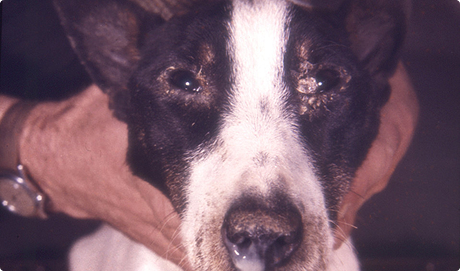
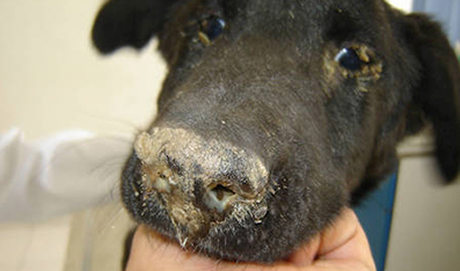
Early Stage: High fever, loss of appetite, clear nasal/eye discharge, lethargy, possible vomiting/coughing/diarrhea

Middle Stage: Persistent high fever, worsening cough, thick yellow-green discharge, possible secondary infection6

Late (Neurological) Stage: Vomiting, no appetite, severe lethargy, muscle twitching, seizures, head tilt, circling, paralysis

What to Do:

Isolate the dog immediately

Seek veterinary care as soon as possible

Supportive treatment (fluids, antibiotics, seizure control) improves survival

Distemper spreads fast and may worsen within 3–6 days—early action is critical.

Common Skin Diseases in Dogs

What is it?

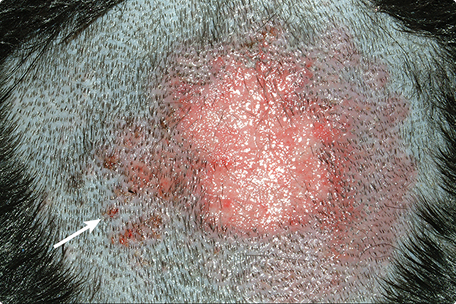
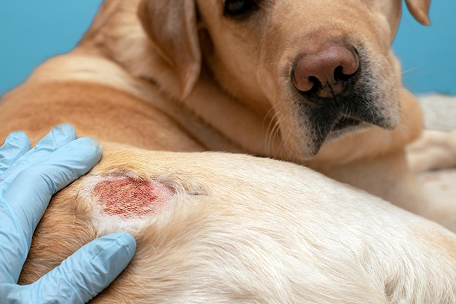
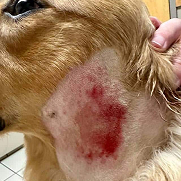
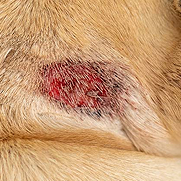
Hot spots are common, sudden skin infections in dogs, characterized by red, inflamed, moist, and painful lesions. They can worsen rapidly due to licking, scratching, or chewing.

Symptoms:

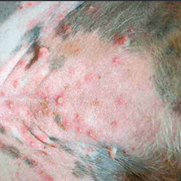
Red, wet, oozing sores; may form blisters or scabs

Often appears on face, neck, limbs, or rump

Intense itching and pain dog may resist being touched

Common Causes:

Flea bites, allergies (flea, environmental), ear infections

Insect bites, poor grooming, humid environment

Common in long-haired breeds (e.g., Golden Retrievers, Labradors, German Shepherds), especially those who swim frequently

Caused by environmental or allergic triggers (e.g., dust, pollen, mold)

Symptoms include chronic itching, redness, hair loss, and recurrent infections

Diagnosis involves ruling out other causes and may require allergy testing

What You Can Do Before Going to the Vet:

Prevent licking/scratching

Use an Elizabethan collar (e-collar) to stop further self-injury

Trim fur (if safe)

Gently trim the hair around the lesion to improve airflow

Keep it dry

Avoid bathing; keep the area dry to prevent worsening

Mild cleaning

Clean the area with diluted antiseptic (e.g., diluted chlorhexidine) or warm water to keep it hygienic

Observe behavior

If your dog shows signs of pain, anxiety, or persistent licking, seek veterinary care as soon as possible

Next

Next